Reflections on Las Fiestas de Moyahua 2026
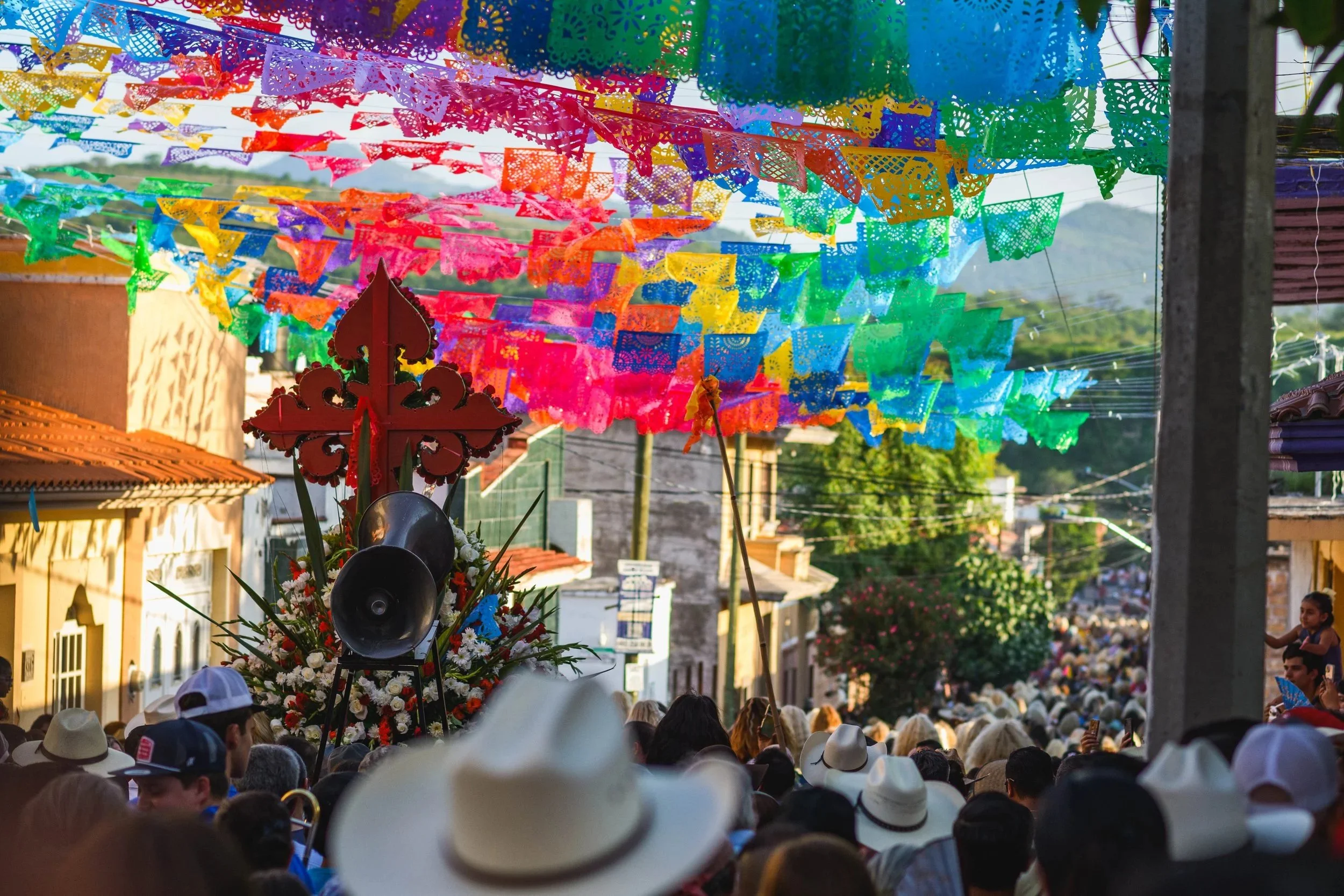
To be from Moyahua is to grow up in the shadow of El Patrón. It has been two decades since I last walked the streets of Moyahua, Zacatecas, during the fiestas of Santo Santiago. Long before the Camino de Santiago became an Instagram staple, he was simply my direct line to the divine. A miracle worker whose image I still tap in my car before hitting the highway.
The Weight of History
But my relationship with Santiago is a complicated one. In college, through my History of Islam class, I learned he was Santiago Matamoros (the Moor-killer). In the Canyon of Juchipila, that same warrior saint, is used as another tool of assimilation and conversion. The apparition that inspired Spanish Conquistadors to crush the Caxcan rebellion. One man's hero is another's villain.
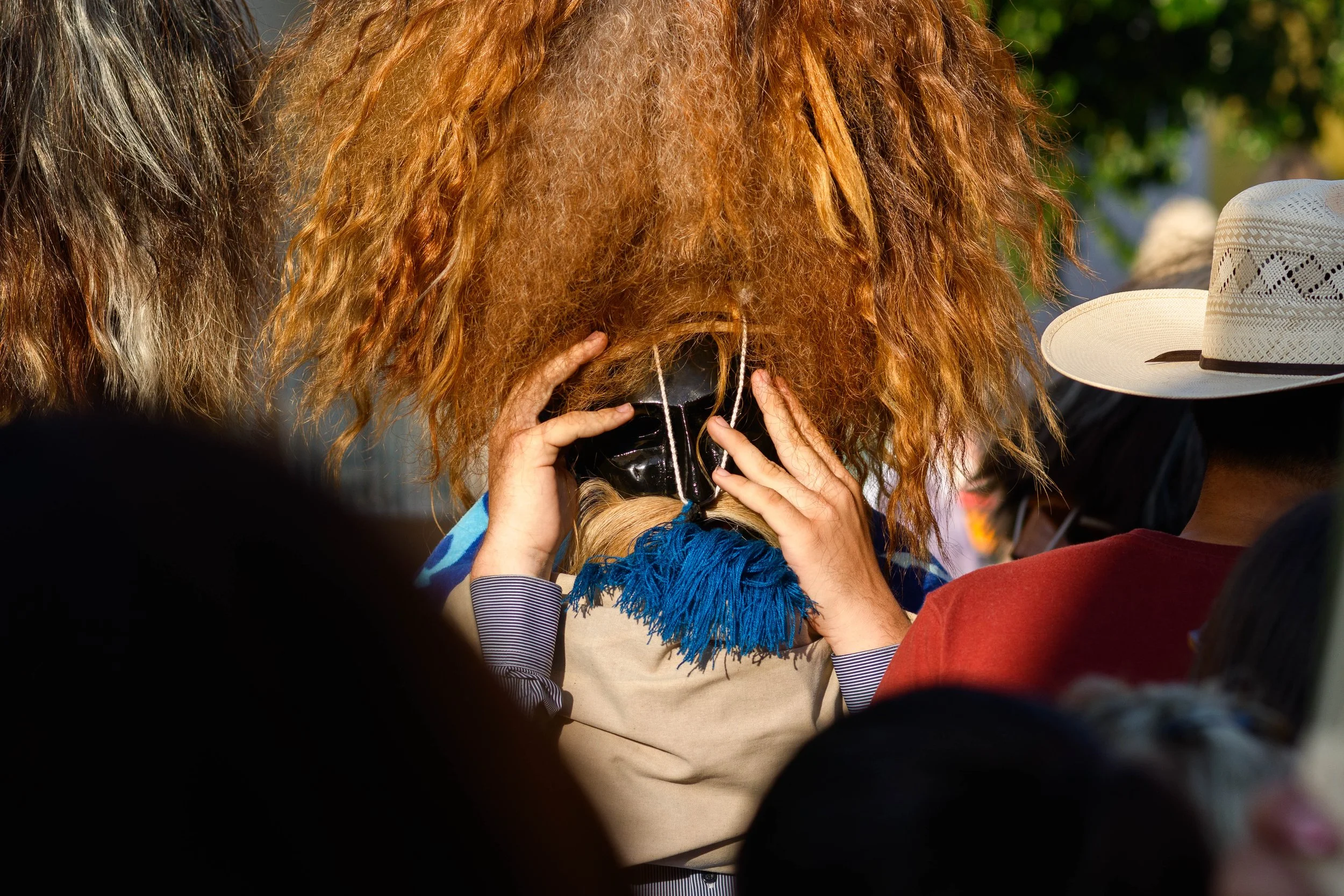
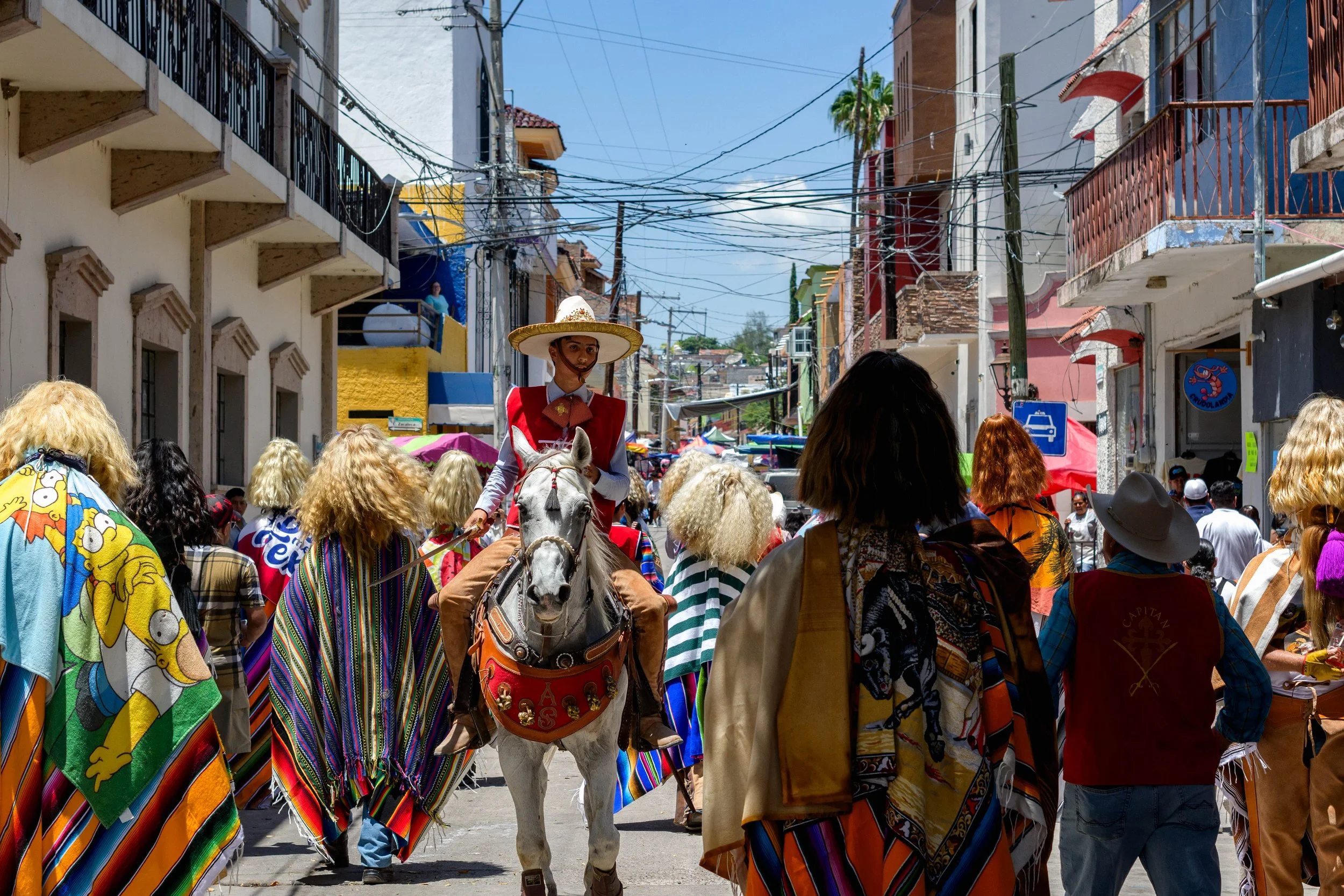
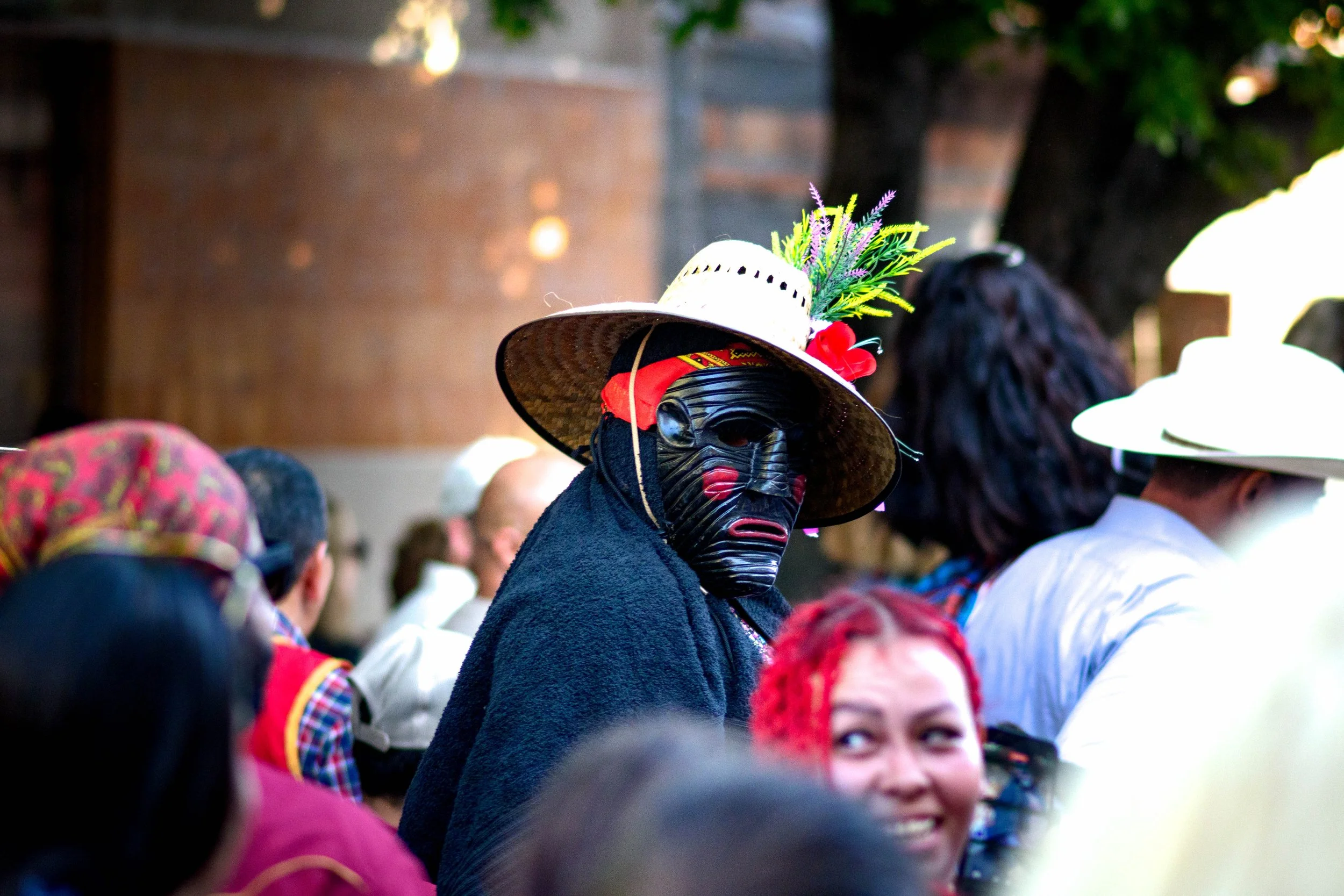
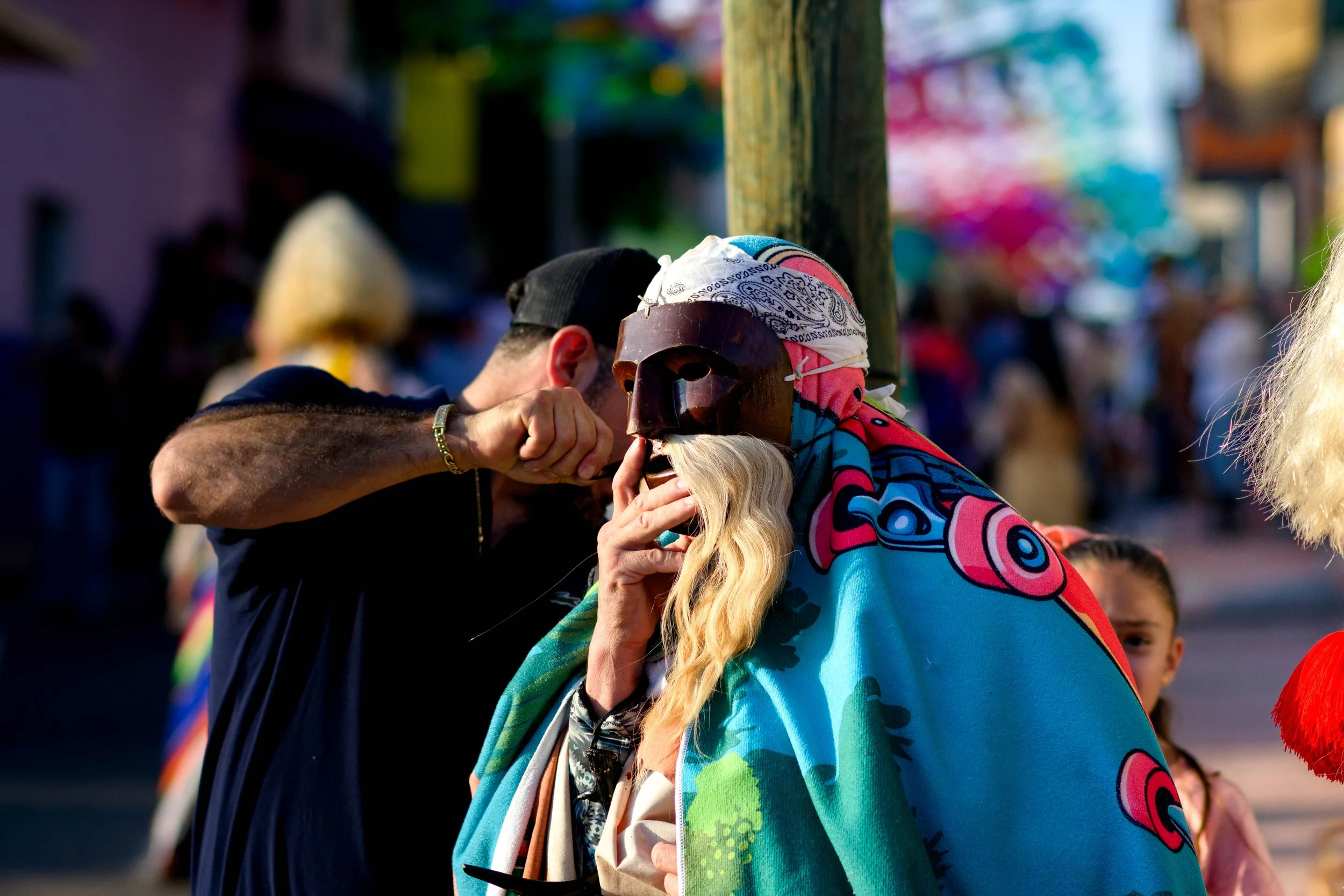
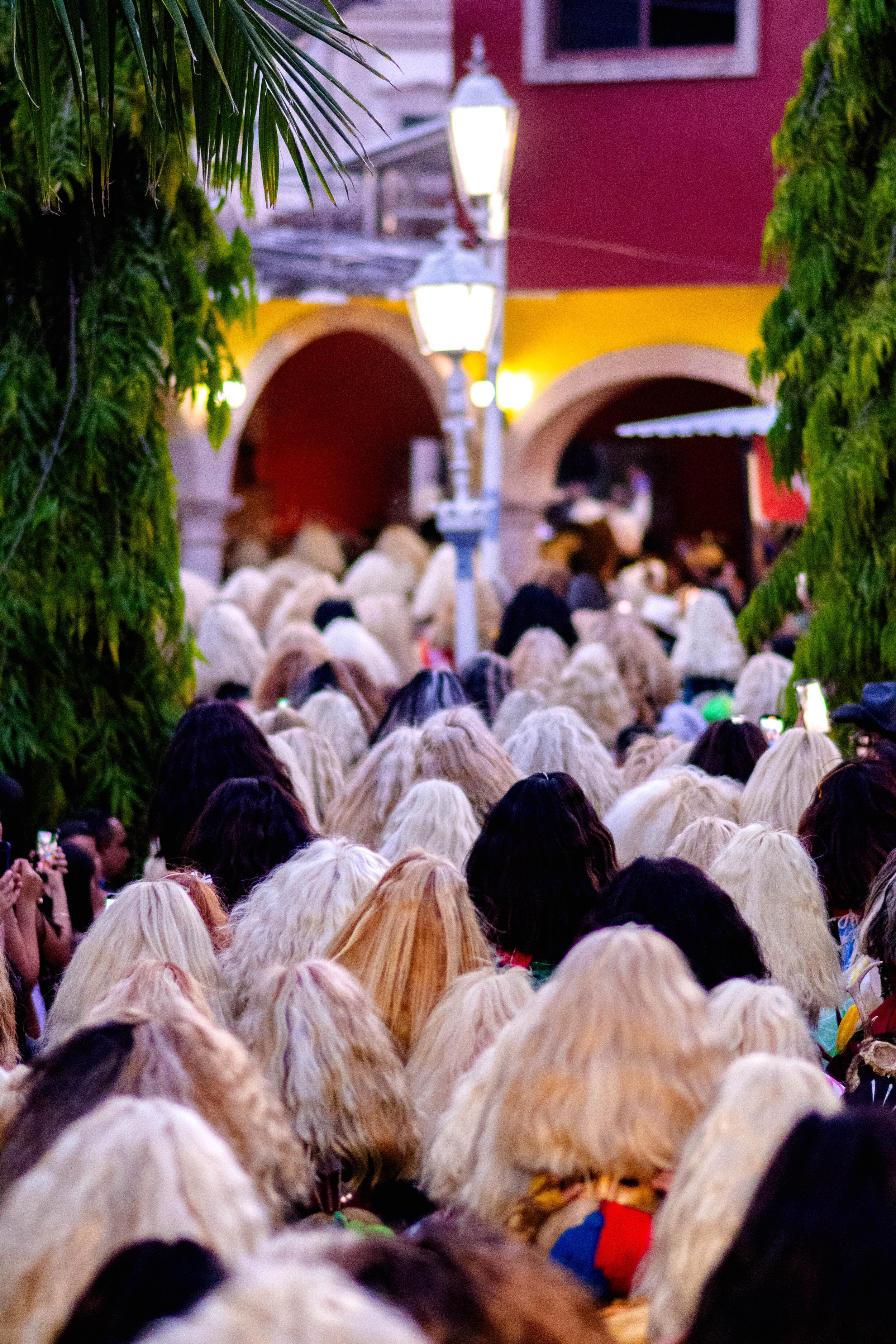
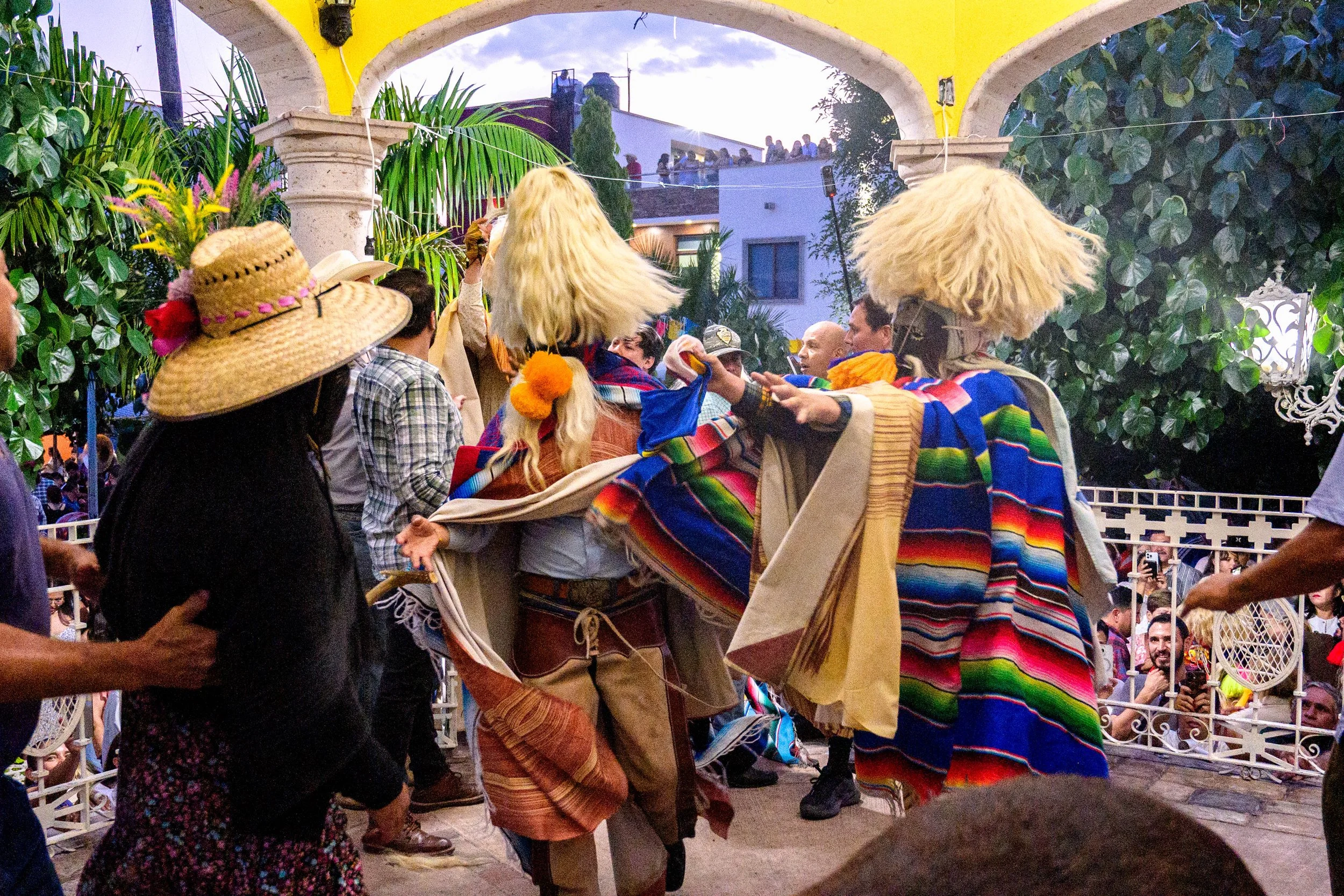
Tlatoani, is the Caxcan word for warrior, or leader. The Spanish would later call these Caxcan leaders Tastuanes. The Tastuan is the indigenous character in this reenactment of the Mixtón Rebellion. Usually men, ranging from their late teens even to their 70s, dress in leather chaps, a cow-haired montera (wig), and a handcrafted wooden mask. Usually, the Tastuan covers their back with a large towel to both protect their head from the montera and also to manage the heat.
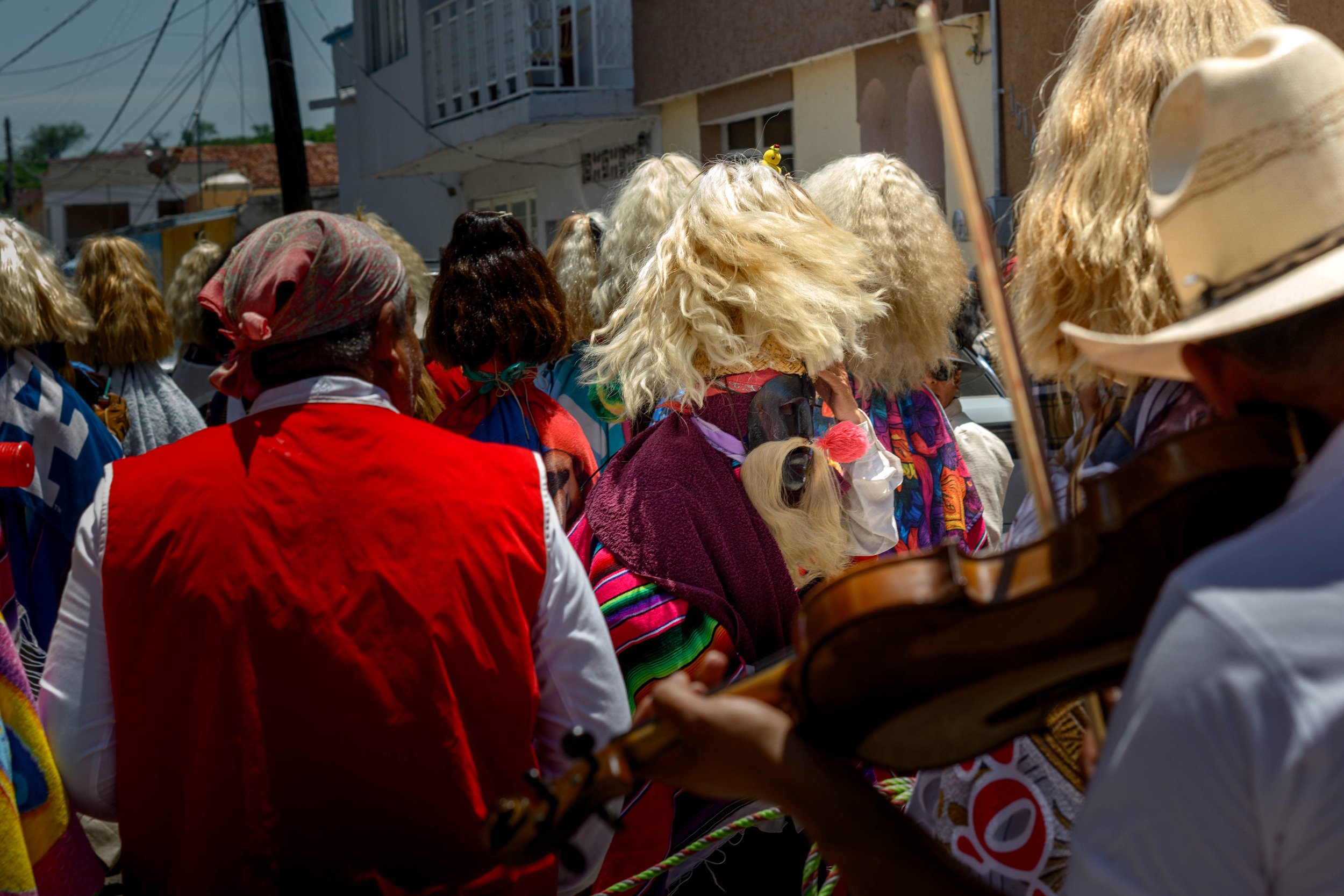
Over the years, you can see and identify your family member based on the characters printed on the back of the beach towels or by the small details each individual would hang from their mustache like a pair dice hanging from the rearview mirror.
Faith in the Friction
Every summer, Moyahua is swarmed by thousands of visitors, mostly those who emigrated to the United States in the late 20th century, returning to relive a history that is a reminder of both rebellion and conquest. The festival is a vivid reenactment of the Mixtón War, a dance of conflict, faith, and undeniable passion.
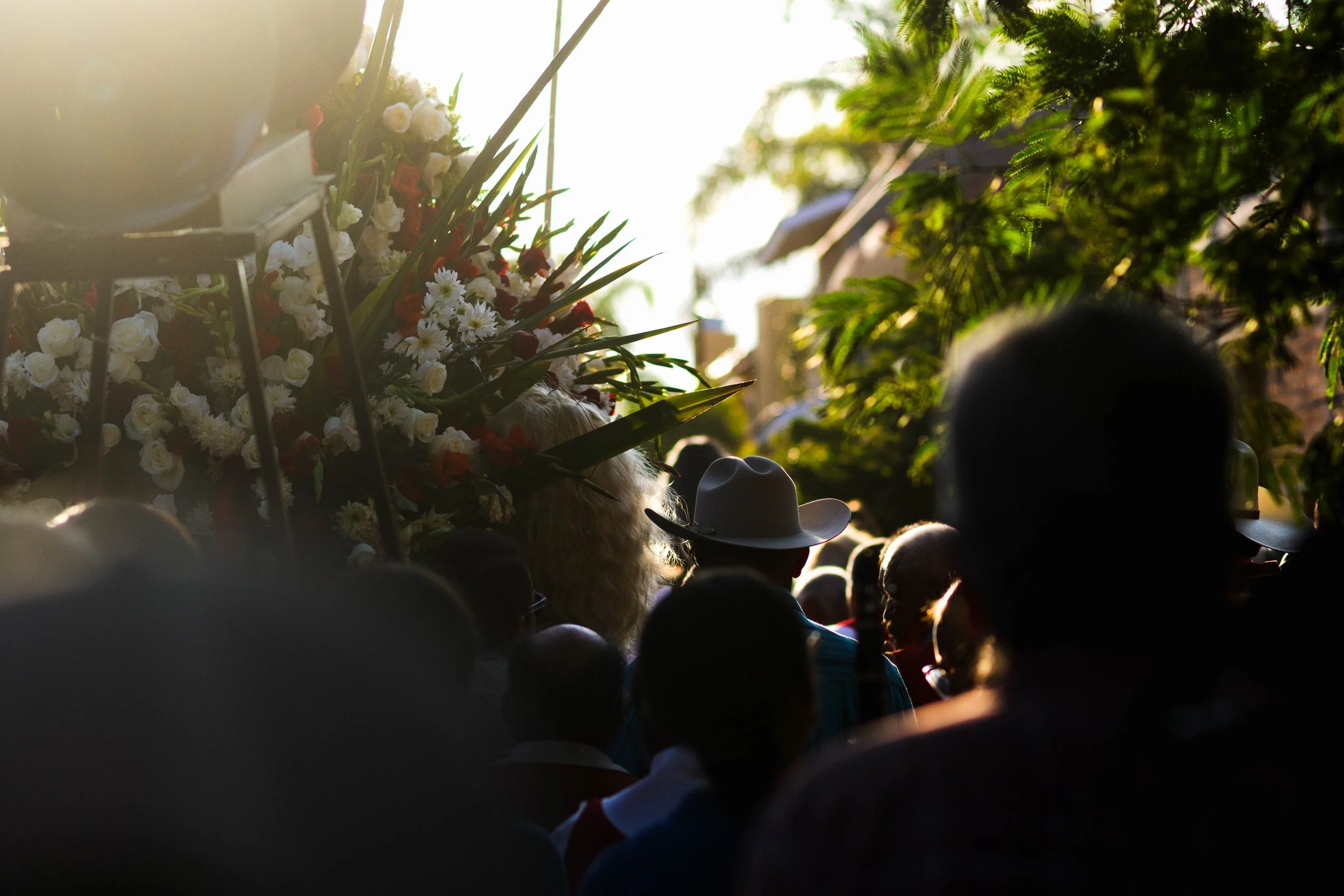
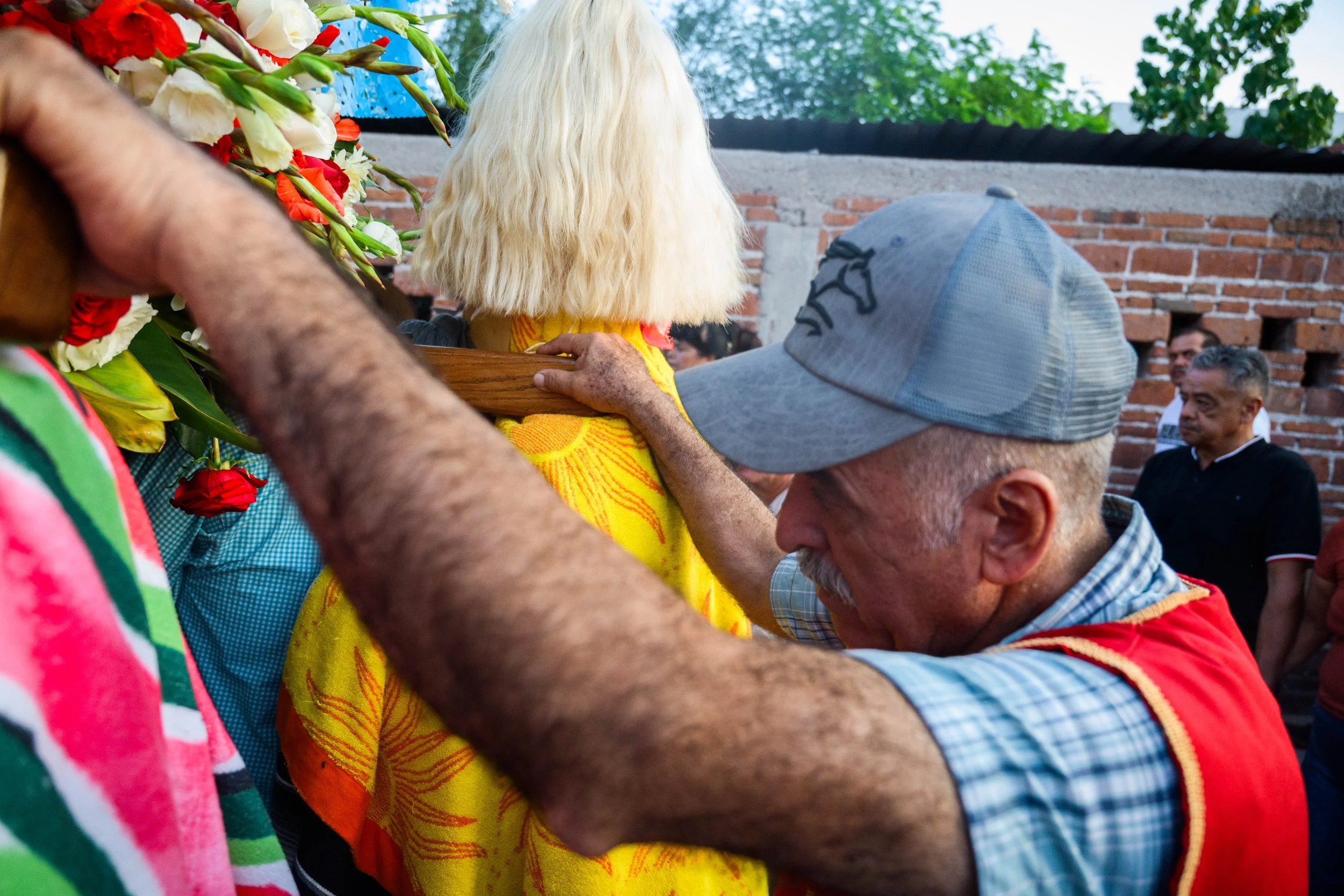
On the 26th of July, the town celebrates La Vieja de la Chinana. Most of us who grew up going to la fiestas never really thought twice about it, but essentially a man dresses up as a woman in a mask as the Tastuanes around them try to grab her and take her away. It is a messy, beautiful storytelling of who we were, and the evolution of a festival that has become more than just tradition.
The festival is now a vital part of the economy and a de facto form of in-person remittances, which are crucial for the survival of a state that accounts for almost half of its budget through paisanos from el otro lado.
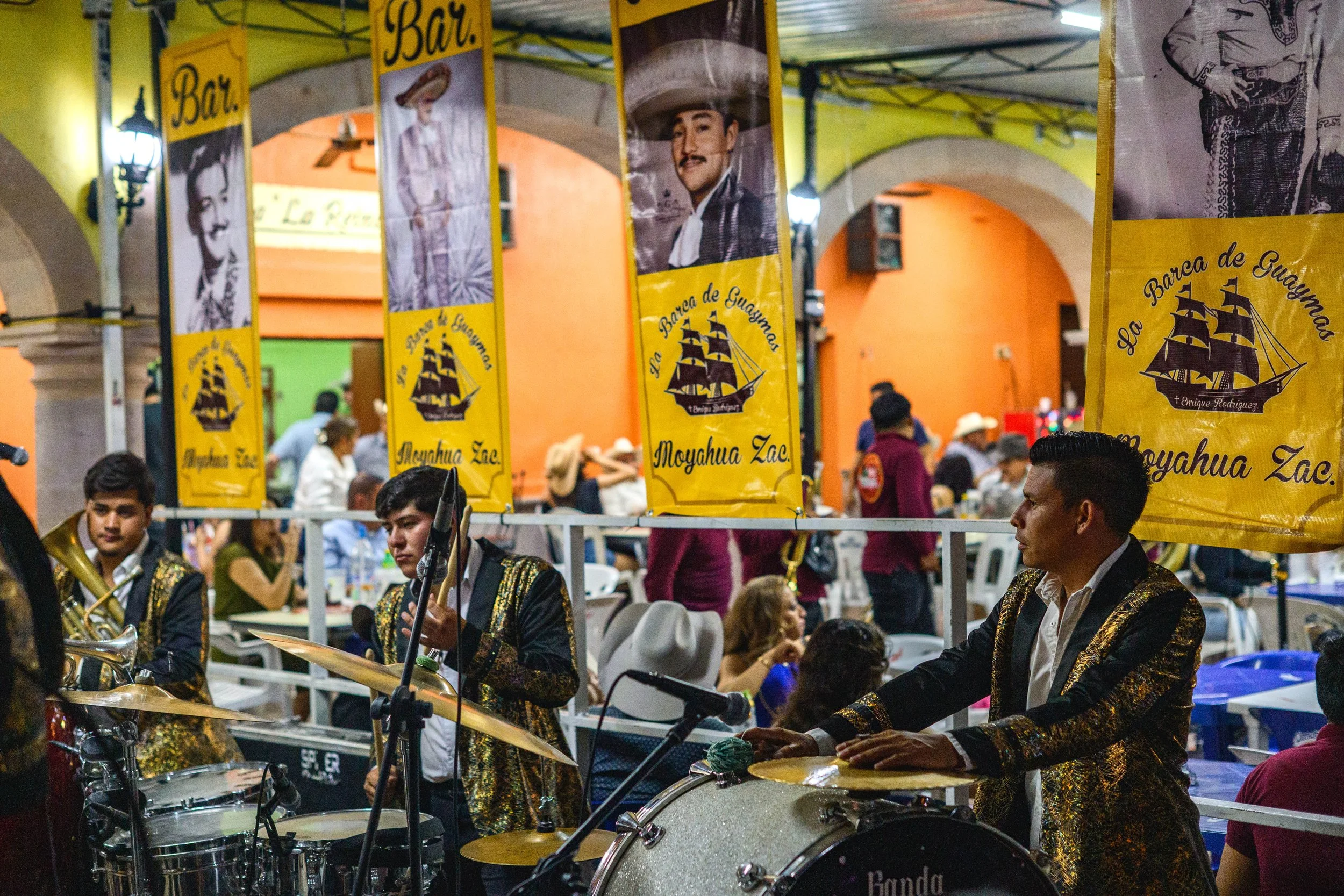
From Bandas filling up La Plaza, shoulder to shoulder, barely being able to differentiate between songs, to the traveling economies of indigenous flea markets that go town to town. Everything from delicious local delicacies to a pirated version of some of your favorite movies.
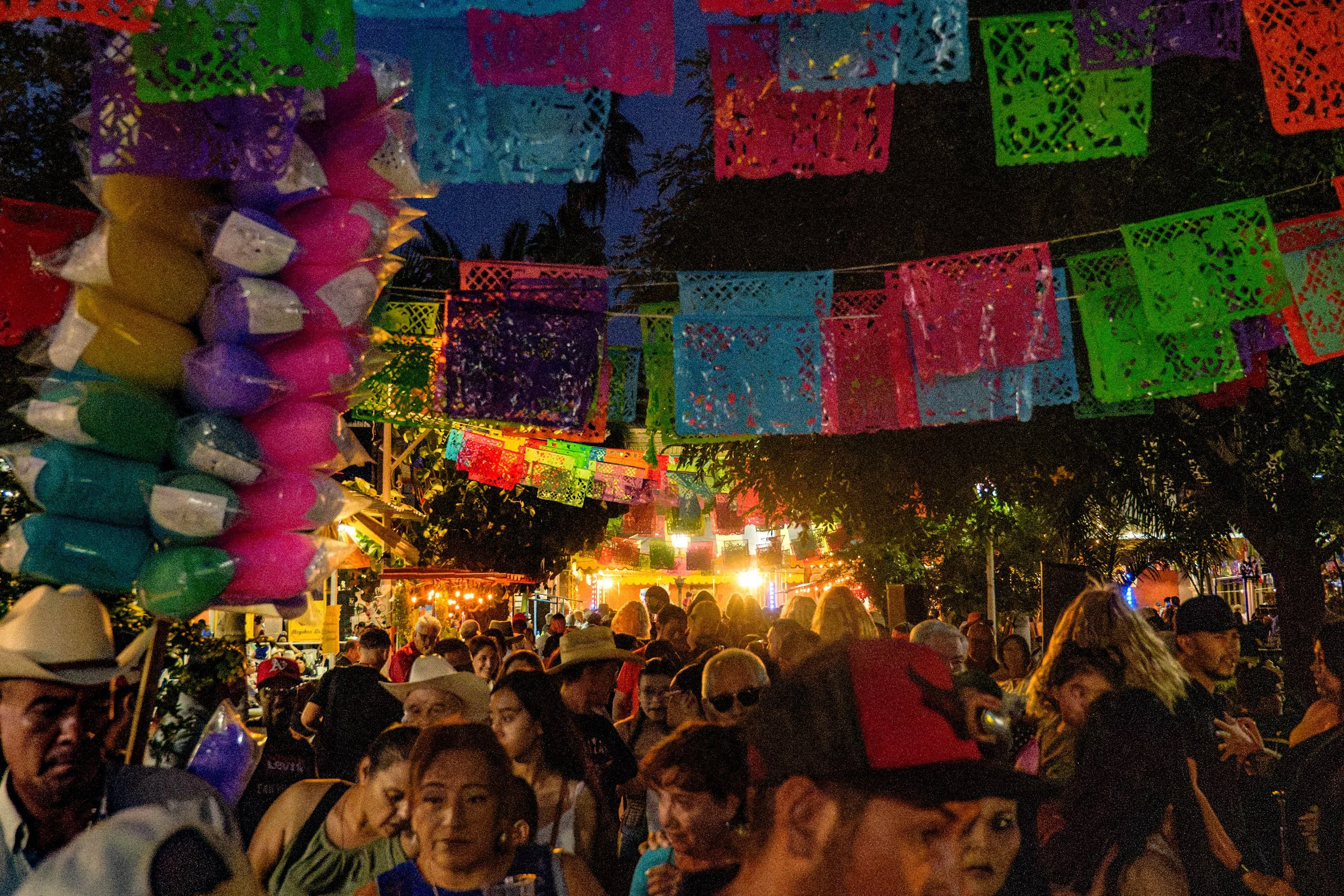
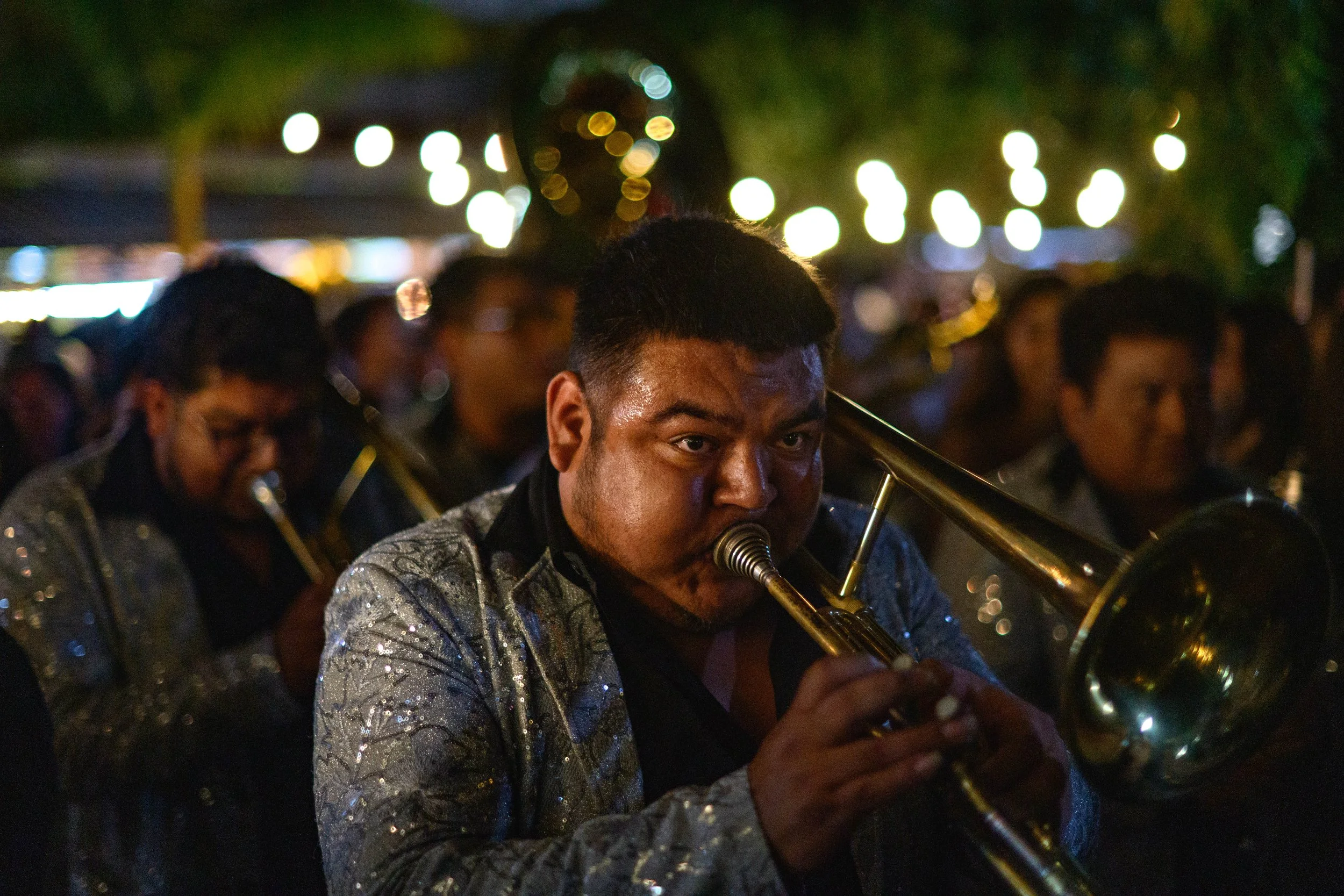
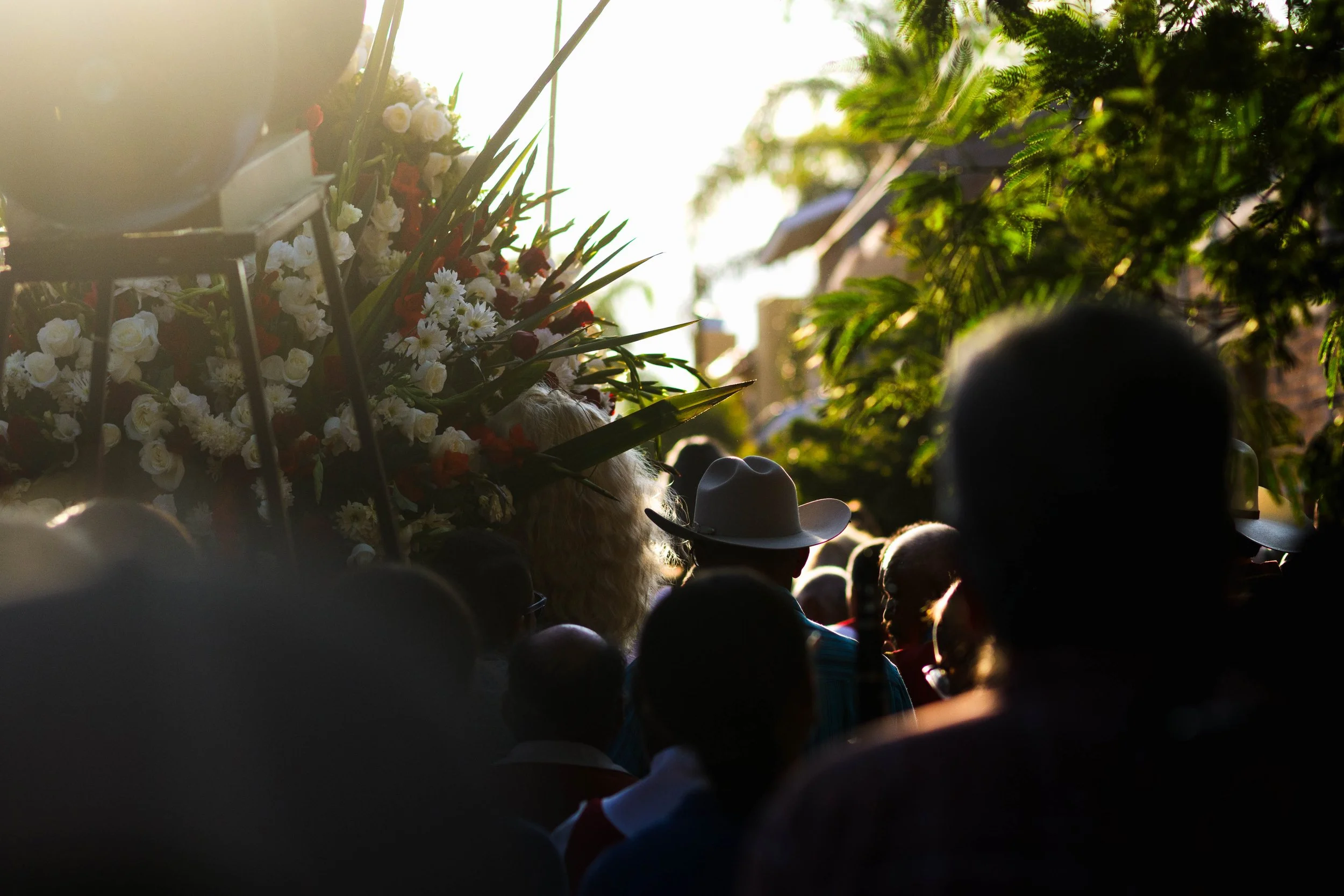
Although my relationship with El Patrón is a complicated one, through the lens, silhouetted by the sun, I asked for a few favors myself. In that moment, the history didn't matter as much as the connection I felt with El Patrón and the beautiful people walking alongside me, the heart, sweat, and sacrifice of the men in those boiling suits, and the strength of a tastuan carrying the weight of a town on his shoulders.